
Facing Dementia: What I would say to my family and carers
I read this poem written by Rachael Wonderlin, a while back and wished I had seen it earlier when I was going through my journey with my mother. Rachael provides such a beautiful portrayal of how a person living with dementia would likely feel and think, and how they would want to be treated. I have added reflections of my journey and how the resonated with me.
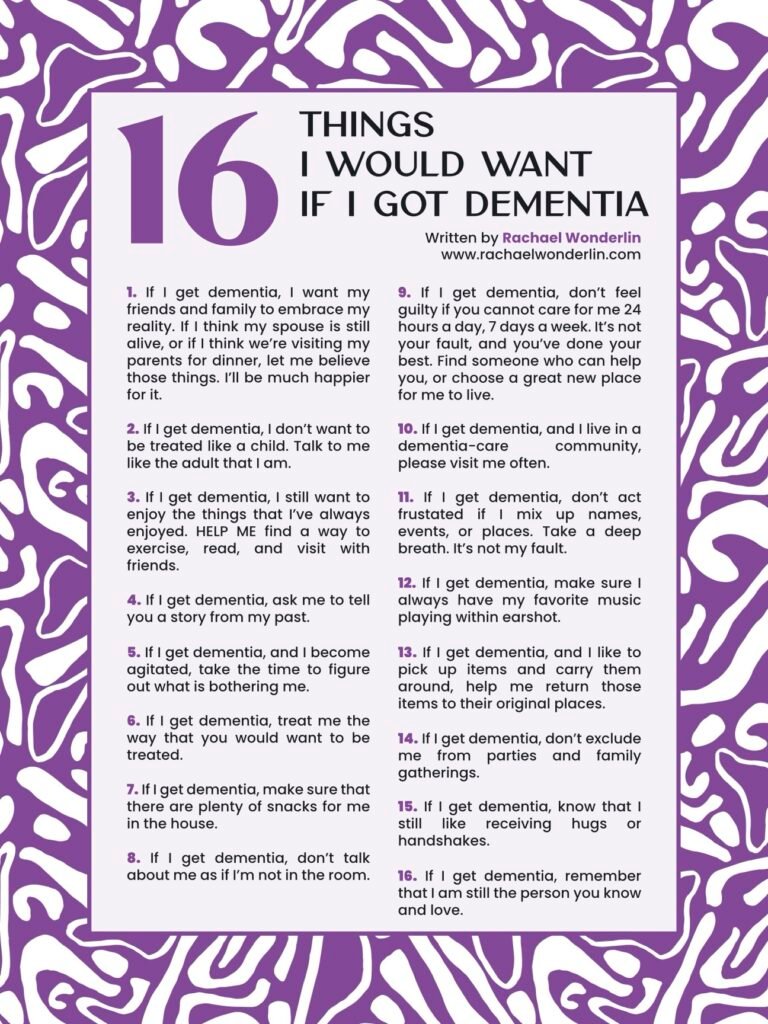
On reflection I don’t think I embraced my mother’s reality, probably because I didn’t know how to. Like the grieving process, acceptance is the final stage, and I believe that during my mother’s journey I had not accepted that she had a disease of the brain. There are so many things that I realise now I could have and should have done differently. At the time, I found it difficult to comprehend why she said things that just didn’t make sense. Whilst I ensured that she was comfortable physically and emotionally to a certain extent, I often wonder if there was more that I could have done to help her mentally to keep her stimulated. I remember how much she loved playing Candy Crush on her mobile phone but that became difficult when her vision became impaired.
By the time my mother had been diagnosed for both Alzheimer’s dementia, hearing impairment and macular degeneration of the eyes she had lost interest in a lot of things in her life. Initially, she enjoyed going out and visiting friends, going to the shops but as her mobility became an issue, she would sit at home and barely move. She enjoyed watching tennis and other sports on the tv, listening to her favourite music and enjoyed the company of a few friends but felt tired a lot of the time. When I visited her, we would knit together and when she made mistakes I would correct them for her; a total role reversal from childhood!!
Growing up we socialised a fair bit. That reduced significantly following my father and sister’s deaths added to the fact that I was living abroad. When I moved back to London and a few months before COVID and my mother’s passing, I invited some family friends over for dinner at her apartment. There were a total of 8 people and towards the end of the evening, mum asked me to take her to the bedroom. She found it too difficult having so many people around her and needed space. Fortunately, the friends knew of her diagnosis and were very accepting of the situation.
One of the key struggles I’ve had with the journey was dealing with experiencing guilt that I was unable and unwilling to be with mum 24/7. Living abroad made it worse as I was constantly worried if she was safe. However, both of us decided early on in that she would have private carers if she needed them and thankfully, we found ones that were kind, compassionate and loving. They would support her with her daily personal care, take care of the apartment and cook food that she loved and always give her a hug on their way out. I would receive daily updates on how mum was doing and any areas of concern or GP or hospital appointments that needed to be made.
Another key struggle that I faced was the realisation that she was lucid some days and in her own world other days. Discussions about finance and legal issues would inevitably lead to arguments with neither of us backing down and finding no solutions to the problems at hand. We had started these discussions very early during the journey, but mum being so independent and strong minded as a person, did not want to let go and decided that there was no need for lasting power of attorney or a will. At the time, I did not realise the importance of deflecting from an argument and both of us would become further agitated. I would end up leaving her apartment even more frustrated and she would retreat into her corner and keep quiet ignoring me until I left.
I could have handled most of my confrontations with mum in a different way. The experience has taught me to be more kind, compassionate and understanding in how I deal with people living with dementia. It has also made me realise how blessed we were to have had such good carers who treated mum as if she were their grandmother, giving her respect, love and kindness when she needed it the most.
I hope the words written by Rachael will provide insight to the millions of people who are caring for loved ones with dementia.